By Paul Neely
November 17, 2026
Homeowners and commercial property developers evaluate numerous exterior building materials, seeking a precise balance between structural integrity and lasting visual charm. Throughout architectural history, builders recognized the profound value of robust overhead protection. The evolution of shelter reveals a transition toward enduring materials capable of withstanding severe and harsh environmental conditions. In contemporary construction, tile roofing represents a pinnacle of structural longevity, providing long-term defense. By examining its inherent characteristics, individuals gain valuable insights into property enhancement and long-term structural security.
Beyond a mere protective canopy, this specific material category transforms the exterior aesthetic and functional dynamic of a commercial or residential building. Investing requires a thorough understanding of available options and benefits. From clay compositions to concrete variations, the choices provide diverse visual textures and robust performance metrics. Analyzing these components illuminates the reasons behind their sustained popularity, offering property owners clarity during renovations. This exploration sheds light on fundamental benefits, assisting decision-makers when planning significant architectural property upgrades.
Analyzing the Material Composition of Roof Tiles
At the core of tile roofing, building product manufacturers utilize natural earth elements to forge resilient protective exterior barriers. Traditional historical iterations consist of clay, shaped and baked at extreme temperatures to achieve remarkable physical density. This specialized high-heat firing process creates a non-combustible shield against the elements. Alternatively, modern concrete variations blend raw cement, sand, and water, yielding a formidable product excluding synthetic plastics.
The initial manufacturing phase dictates the final material density and moisture resistance of each individual piece. Clay units undergo a strict vitrification process in commercial kilns, sealing porous surfaces and locking in permanent architectural colors. Concrete counterparts cure in climate-controlled environments, achieving immense compressive strength before distribution. This rigorous creation cycle guarantees the finished product withstands decades of exposure, necessitating reinforced structural supports beneath the underlayment.
Astute property owners weigh the lasting benefits of these heavy exterior materials against lighter, common alternatives. According to Bob Vila, asphalt roofing is still among the top roofing materials in the U.S. and can last up to 20 years. Despite that overwhelming national market dominance, heavier clay and concrete options provide a different tier of longevity. Baked earth and cured cement retain structural integrity, offsetting initial material costs.
Environmental sustainability remains a crucial deciding factor in modern building material selection. The natural clay and concrete components contain no petroleum-based chemicals, minimizing toxic environmental runoff during heavy rainstorms. Upon reaching the end of their functional lifespan, these materials integrate back into the earth or serve as recycled aggregate. This closed-loop lifecycle contrasts sharply with synthetic building materials destined for crowded urban landfills.
Evaluating the Weather Resistance of Roof Tiles
The true test of any exterior structure lies in its capacity to endure relentless and severe meteorological events. In this demanding arena, tile roofing demonstrates unparalleled physical resilience against nature's destructive forces. The sheer mass of the individual units anchors them to underlying battens, resisting gale-force storm winds. Coastal residences benefit from this stability, creating an impenetrable exterior shield against horizontal rain and storms.
Severe hailstorms inflict massive structural damage on flexible or brittle surfaces, leading to costly property insurance claims. High-density clay and concrete compositions possess a formidable impact resistance that repels falling heavy ice. While extreme impacts might fracture an isolated piece, the modular nature of the installation allows for targeted partial replacements. This inherent toughness grants property owners peace of mind during seasonal storms.
Comprehensive fire mitigation represents a critical safety concern for dwellings located near dense forests or dry brushlands. Earth-based structural components are inherently non-combustible, earning the highest possible fire safety ratings in the construction industry. Falling embers from distant wildfires extinguish harmlessly upon contact with the baked clay or cured concrete surface. This protective characteristic prevents exterior flames from penetrating the vulnerable interior attic space.
Beyond acute weather events, insidious threats like slow moisture intrusion, rot, and insect infestation compromise lesser building materials. Dense ceramic and cement surfaces offer no nutritional value to termites or other wood-boring pests. The low water absorption rates of premium clay units prevent the rapid growth of moss and structural mold, ensuring the exterior overhead barrier requires minimal physical intervention over time.
Examining the Energy Efficiency of Roof Tiles
Indoor climate control accounts for a substantial portion of residential energy consumption across varied geographic regions. The inherent thermal mass of tile roofing plays a pivotal role in regulating interior building temperatures. Throughout scorching summer afternoons, dense exterior units absorb solar radiation at a gradual pace, delaying heat transfer into the attic space. As night falls, absorbed heat dissipates back into the cooling atmosphere.
The distinct physical shape of the exterior units contributes significantly to the overall thermal performance of the building. Curved barrel profiles create natural continuous air channels between the outer surface and the underlying wooden decking. This continuous airflow acts as a convective cooling mechanism, sweeping away trapped atmospheric heat. Passive exterior ventilation reduces reliance on mechanical cooling systems, lowering monthly utility expenditures for budget-conscious homeowners.
Applied reflective surface coatings and inherent material colors amplify the energy-saving characteristics of the entire installation. Lighter shades of authentic terra cotta and pale concrete reflect a significant percentage of incoming harsh solar energy. This high albedo effect combats the urban heat island phenomenon, where dark surfaces absorb intense heat. By bouncing solar rays, the structure maintains a stable internal climate.
Harsh winter months require distinct thermal management strategies, and dense overhead exterior barriers assist in heat retention. The insulating properties of the continuous air gap prevent interior warmth from escaping through upper building levels. Mechanical heating systems operate with greater daily efficiency when the building envelope resists rapid temperature fluctuations. The solid structure functions as an integrated climate control system year-round for residential occupants.
Appreciating the Aesthetic Appeal of Roof Tiles
Significant visual impact drives numerous modern architectural decisions, and exterior elegance remains a paramount goal for property developers. The bold addition of tile roofing elevates the visual curb appeal of any structure, lending a sense of permanence. Unlike flat, monotonous surfaces, interlocking arrays create dynamic shadow lines shifting with the moving sun. Dimensional texture transforms a basic shelter into a striking architectural design.
Extensive color variety allows modern architectural designers to tailor the exterior palette to specific regional landscapes. Natural clay offers rich, earthy hues resulting from unique mineral compositions found in raw earth. Concrete alternatives provide a broader aesthetic spectrum, as manufacturers introduce diverse chemical pigments during the mixing phase. Colors permeate the entire unit, ensuring vibrant tones resist fading despite intense solar ultraviolet exposure.
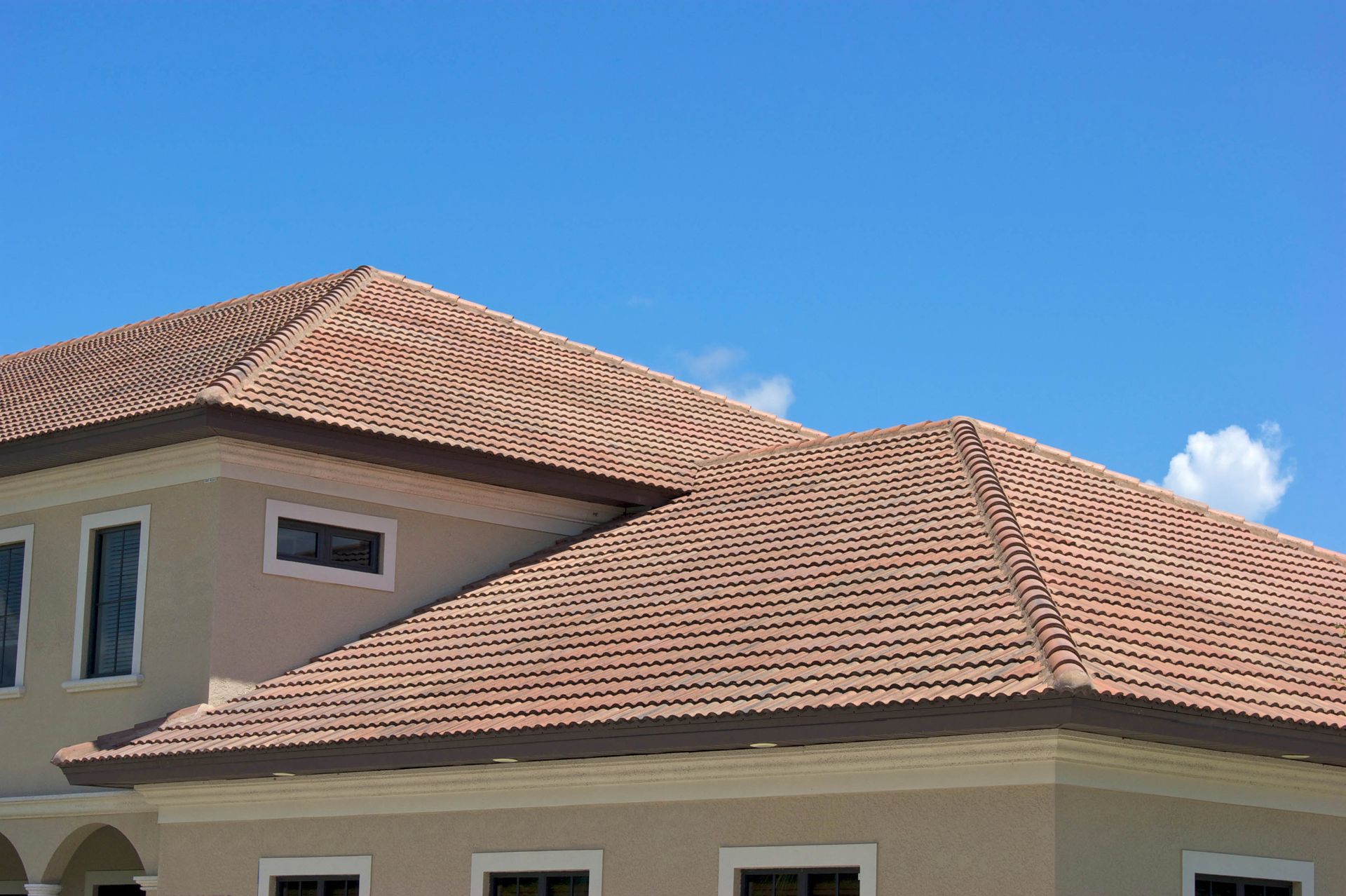
Established historical architectural styles rely on specific building material profiles to maintain cultural design authenticity. Mediterranean and Spanish Colonial exterior designs demand the classic barrel shape to achieve iconic structural silhouettes. Flat slate-like profiles complement contemporary structures, providing crisp lines without sacrificing heavy material mass. The distinct versatility of shape means designers match the protective barrier to virtually any historic or modern aesthetic.
This visual enhancement translates directly into tangible property value and market desirability for real estate listings. Professional property appraisers recognize the premium nature of heavy, permanent exterior materials, adjusting property valuations upward. Prospective buyers perceive the structure as a high-quality, low-maintenance financial investment, reducing apprehension regarding future renovation costs. Investing in premium building materials yields dividends in the enduring visual legacy of the design.
Selecting a permanent overhead protective barrier involves weighing numerous crucial factors, from regional climate resilience to exterior visual harmony. Through careful architectural evaluation, tile roofing emerges as an exceptional choice for those prioritizing longevity, safety, and exterior beauty. Its inherent resistance to fire, wind, and pests ensures a robust and resilient structural defense. Passive thermal building benefits contribute to a sustainable, energy-efficient living environment. When you are ready to explore your exterior upgrade options, our team at Neely Roofing and Remodeling is here to install the perfect tile roofing for your home. Reach out to us today to schedule a comprehensive property evaluation.